
Analysis
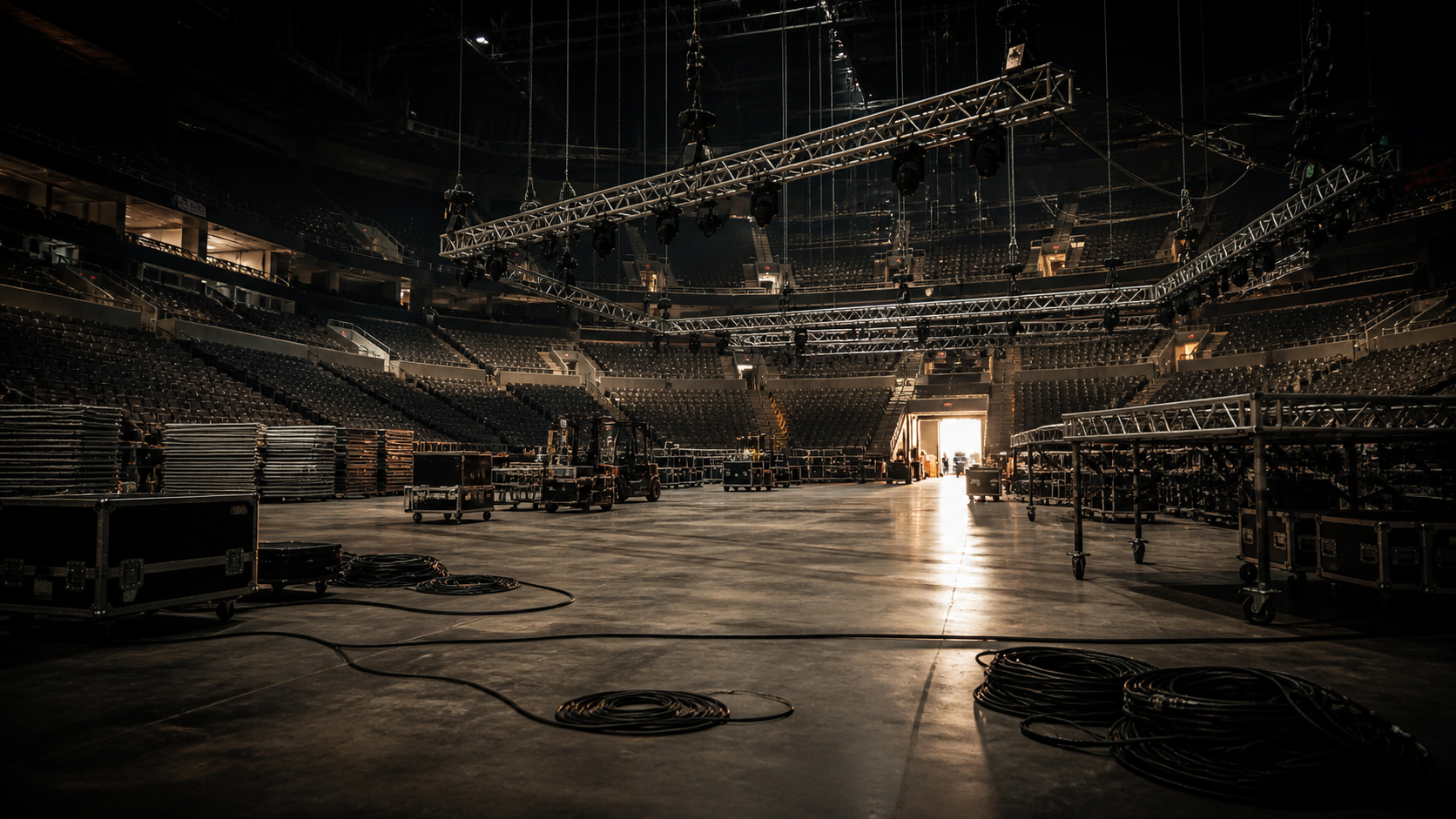
The arena before the doors open
A fictional event report follows the crews building the experience before a single fan arrives.

A Different Kind of Independence
The independent media movement is no longer defined only by what creators have left behind. It is increasingly defined by what they are building in its place.
For decades, access to audiences depended on access to institutions. Studios, networks, publishers, and distributors decided which stories received resources and which voices could reach beyond their immediate communities. Digital platforms weakened that gatekeeping, but the first wave of online independence often traded one dependency for another: creators gained access while algorithms controlled visibility.
The strongest independent teams are now moving beyond that bargain. They are treating websites, email lists, podcasts, and direct communities as owned infrastructure rather than promotional afterthoughts. The goal is not simply to publish without a studio. It is to create an ecosystem where the relationship with the audience survives every platform shift.
“Independence is not working alone. It is owning the relationship between the story and the audience.”
The Audience Becomes Infrastructure
When audiences can choose how they follow a story—through a full episode, a sixty-second reaction, a written analysis, or a direct alert—the work becomes easier to discover without becoming disposable. Each format creates another path into the same editorial conversation.
This is why independent storytelling increasingly looks less like a feed and more like a connected system. A short clip can introduce an idea. A written feature can supply context. A podcast can hold the full conversation. Topic pages and alerts keep that work available after the news cycle moves on.
Independent teams are building connected publishing systems instead of isolated posts.
Production Without Permission
Smaller teams still face real constraints: fewer people, tighter budgets, and less room for failed experiments. Yet those limits can create a sharper editorial identity. Decisions happen closer to the work. Feedback travels faster. The people making the story can see how audiences actually use it.
The advantage is not that independent production is easier. It is that the distance between an idea and its audience is shorter. A clear point of view can become a finished story, a companion video, and a follow-up discussion without passing through layers of approval that dilute its urgency.
“The future belongs to teams that can move quickly without making the work feel temporary.”
What Comes Next
The next phase of independent media will be won by creators who combine consistency with ownership. They will use major platforms for reach while building destinations they control. They will treat design, search, email, and archives as editorial tools—not administrative chores.
The technology will continue to change. The durable opportunity is simpler: make work with a recognizable voice, give people more than one way to enter it, and build a place where the conversation can continue.
Continue the conversation
Related News

The context behind the play matters more than the clip
LastWord's fictional lead report follows one basketball possession backward through preparation, coverage, and consequence.
Read Full Story
A franchise is built in the quiet months
Dre examines the roster decisions that create leverage long before opening night.
Read Full Story
Why every strong story needs a clear point of view
August opens the fictional LastWord edit process and shows where reporting becomes a story.
Read Full Story